
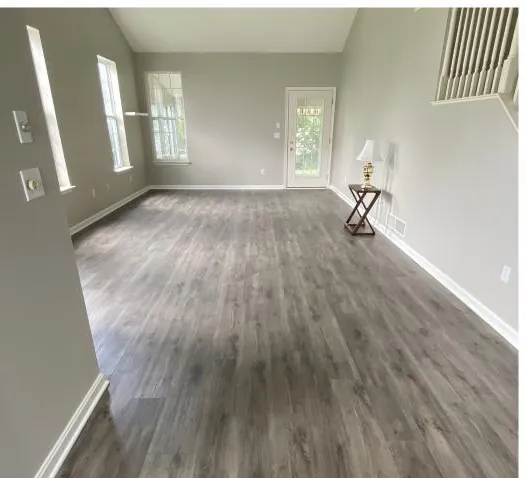
A whole-home renovation is one of the biggest projects a family can take on. Done well, it can transform a house that no longer fits your life into a home you love, without leaving the neighborhood. Done poorly, it can become a long, stressful and expensive ordeal. The difference is almost always planning. Homeowners who define their goals, set a realistic budget, sequence the work and hire the right team tend to have a much smoother experience.
This guide walks homeowners in Central Pennsylvania through whole-home renovation planning, from setting goals and budget to sequencing trades, choosing whether to live in the house, handling permits and avoiding common pitfalls. It comes from Haven Builders, a locally owned construction and remodeling company serving Williamsport, Lock Haven, State College and the surrounding communities.
What Counts as a Whole-Home Renovation?
A whole-home renovation updates most or all of a home’s interior and sometimes the exterior. It may include a new kitchen and bathrooms, new flooring, updated electrical, plumbing and heating systems, new windows, a changed floor plan and sometimes structural work or an addition. Unlike a single room remodel, it requires coordination of many trades and careful sequencing so that work is not done twice.
Whole-home projects are common in older Central Pennsylvania homes that have good bones but outdated systems and layouts, and in newly purchased homes where buyers want everything updated at once. They can also be a smart way to modernize while keeping the mortgage and location you already have.
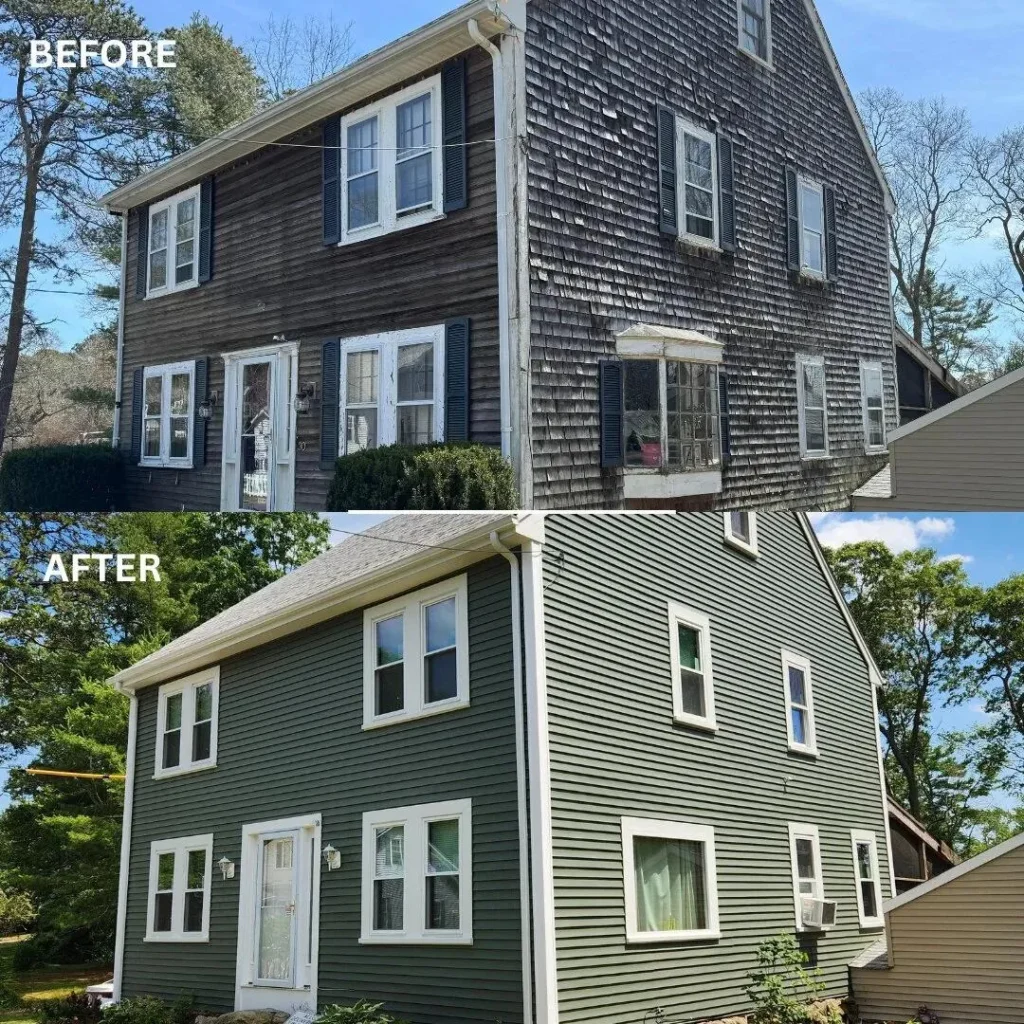
Step 1: Define Your Goals and Priorities
Start by writing down why you want to renovate. Is it more space, better function, safety and aging in place, energy efficiency, resale value or simply a fresh look? Sort your wishes into must-haves, nice-to-haves and later. This list will guide every decision when costs rise or surprises appear.
Live in the house for a while and observe how you use it. Where do people gather? What annoys you every day? Is the kitchen too small, are there too few bathrooms, is there no storage near the entry? Photos, saved ideas and measurements help your design team understand you.
Step 2: Inspect the Home and Understand Its Condition
Before drawing plans, get a clear picture of what you have. A thorough inspection of the structure, roof, foundation, electrical, plumbing, heating and insulation will show where the money needs to go first. Older homes may have knob-and-tube wiring, galvanized pipes, lead paint, asbestos materials, termite damage or moisture problems. Understanding these early prevents unpleasant surprises. Read our guides on electrical work and plumbing for what to look for.
Step 3: Build a Realistic Budget
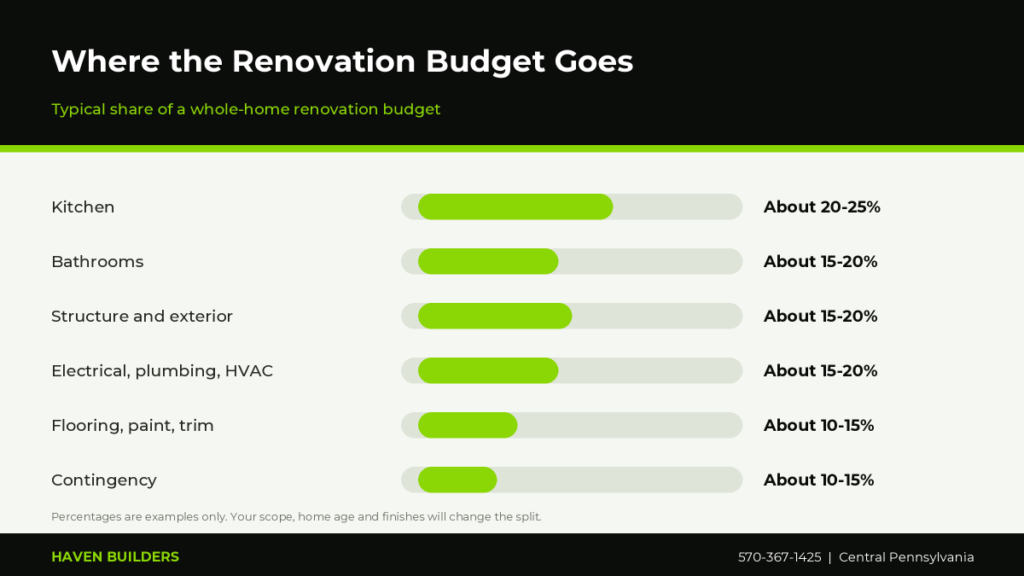
The chart above shows how a typical renovation budget might be distributed, but every home is different. Kitchens and bathrooms usually take the largest share, followed by structural, exterior and mechanical work. Always include a contingency of 10 to 15 percent, and more in older homes where hidden conditions are likely. Remember to include soft costs such as design, engineering, permits, temporary housing, storage and moving.
Prioritize Where Money Goes
- Safety and structure first. Roof, foundation, wiring and plumbing come before décor.
- Energy efficiency next. Insulation, air sealing and windows pay back over time.
- Function and layout. Kitchens, bathrooms and storage improve daily life.
- Finishes last. Paint, trim and fixtures can be upgraded over time if needed.
Step 4: Plan the Sequence of Work
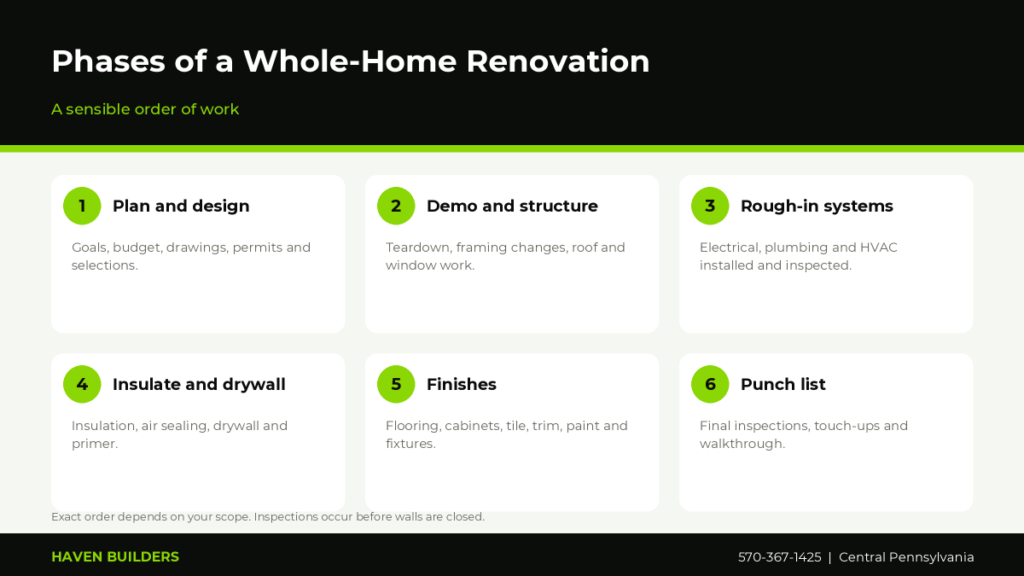
Sequence is what saves time and money. In general, work moves from the outside in and from the structure to the finishes. Exterior work such as roofing, siding and windows protects the building. Structural changes and framing come next, as covered in our house framing guide. Rough-in electrical, plumbing and heating follow, and then insulation, drywall, flooring, cabinets, tile, trim and paint. Each phase depends on the one before it. For example, installing new floors before electrical work is finished can lead to damage and rework.
You may choose to phase the project over time. A phased plan lets you spread costs but may extend the total disruption and cost slightly, because crews must return and protect finished areas. The video below explains how to plan a large renovation.
Video: How to Plan a Major Home Renovation | Top Tips (Move iQ on YouTube)
Step 5: Decide Whether to Live In or Move Out
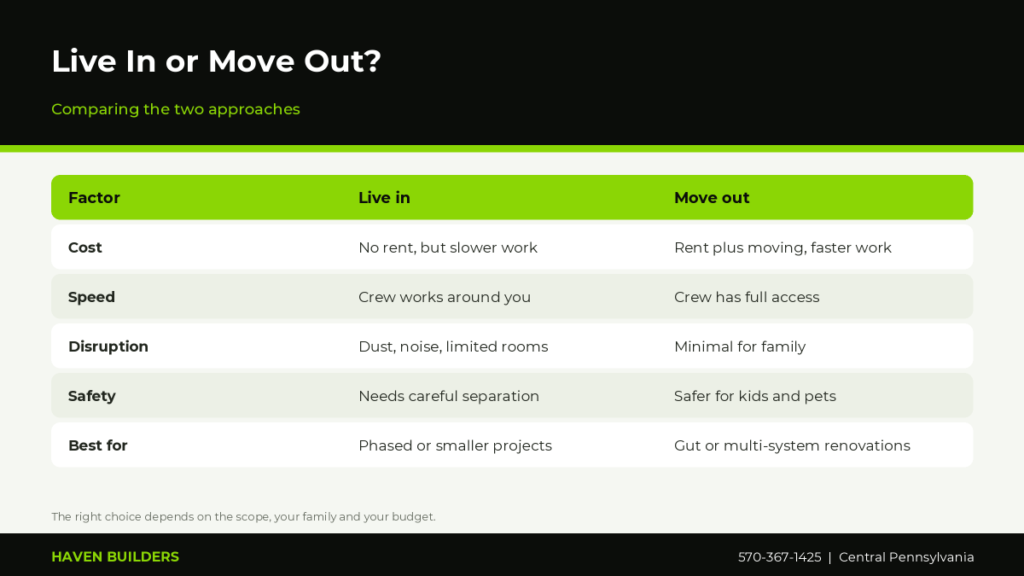
Living in the home saves rent but slows the work and exposes your family to dust, noise and limited access to kitchens and bathrooms. Moving out allows the crew to work faster and more safely, but you must pay for temporary housing and storage. Many families choose a hybrid, such as moving out for the gutting and rough-in phase, then moving back in when the kitchen and a bathroom are usable. Whatever you choose, plan protective barriers, air filtration and clear separation between work and living areas, especially if children, pets or people with health concerns are present.
Energy Efficiency During a Whole-Home Renovation
A renovation is the best time to improve how your home uses energy. With walls open, insulation can be added at the right depth, air leaks can be sealed and new windows can be flashed properly. Consider an energy audit before you start, which can include a blower door test and infrared scan to show where air and heat escape. In Central Pennsylvania, long heating seasons mean small improvements in air sealing and attic insulation often pay back quickly in comfort and lower bills.
Think about heating and cooling equipment too. Heat pumps, high-efficiency furnaces and ductless mini-splits can replace aging systems, and a new layout may need new duct routes or zones. Ask your contractor to size the equipment based on a load calculation of the renovated home, not on the old system. Right-sized equipment runs more quietly, lasts longer and keeps rooms more even in temperature.
Step 6: Handle Permits, Codes and Inspections
Large renovations often involve building, electrical, plumbing and mechanical permits, plus zoning review for additions. Inspections occur at several stages. Your contractor should handle these, but you should understand the process. Read our full guide to home remodeling permits in Pennsylvania for details. If your home is older, ask about lead-safe work practices for homes built before 1978 and asbestos testing before demolition.
Financing and Value: Paying for a Big Project
Many families fund a whole-home renovation through a mix of savings, a home equity loan or line of credit, a cash-out refinance or a renovation loan that bases the amount on the home’s value after improvements. Each has different rates, fees and risks, so talk with a lender before you finalize the scope, and make sure your contractor’s payment schedule matches the way funds are released. Some loans release money in draws after inspections, which affects the timeline.
Keep value in perspective. Not every dollar spent returns at resale, but improvements to kitchens, baths, energy performance and curb appeal tend to be well received by buyers, and a house that works for your family has value beyond the market. Ask a local real estate professional what buyers in your neighborhood expect, so that your plan does not over-improve compared with nearby homes.
Step 7: Choose the Right Team
Whole-home work demands a contractor with experience managing multiple trades, schedules and budgets. Verify Pennsylvania Attorney General registration and insurance, ask for references from similar projects and insist on a detailed written contract and payment schedule. See our guide to hiring a remodeling contractor for a complete checklist. Look for clear communication, because a project that lasts months depends on regular updates and quick decisions.
Step 8: Finalize Selections Early
Many delays come from late decisions. Choose cabinets, tile, flooring, windows, doors, lighting, plumbing fixtures and appliances before work begins, and order long-lead items early. Cabinets can take ten weeks or more, windows and doors can take several weeks and custom items take longer. Our guides on kitchen cabinets and countertops and kitchen remodel timelines explain the lead times that matter most.
Protecting Your Family and Belongings During Construction
Living through a renovation is easier when you plan for dust, noise and safety. Ask the crew to install plastic barriers and floor protection, set up a dedicated entrance and use air scrubbers if the home contains old paint, plaster or insulation. Move valuables, artwork and fragile items to storage or a room that will not be touched. Keep children and pets away from tools, open walls and debris. Decide on working hours and parking so that neighbors are not surprised.
Create a basic temporary living setup with a kitchenette, a place to wash dishes, a bathroom you can rely on and a quiet space to rest. Small comforts make a long project much more bearable. Also make a plan for mail, package deliveries and security if contractors will have keys or access codes. Change codes at the end of the project.
Step 9: Manage the Project Day to Day
Set a weekly meeting with your contractor, keep a shared folder of drawings, selections and change orders and make decisions quickly. Walk the site regularly and take photos, especially of walls before they are covered. Be patient with the process, because setbacks are normal. Treat your contractor as a partner, and communicate concerns early and respectfully.
Common Whole-Home Renovation Mistakes
- Starting without a clear plan or budget.
- Ignoring the condition of the roof, foundation and systems.
- Skipping the contingency.
- Choosing finishes before the layout is final.
- Doing work in the wrong order.
- Underestimating how long the project will take.
- Not planning for living arrangements.
- Making constant changes after construction begins.
Adding Space as Part of a Renovation
Some renovations include an addition to create the layout a family needs. If you are considering one, read our guide to home additions in Central Pennsylvania. Doing the addition at the same time as the renovation lets you blend old and new, share permits and inspections and avoid redoing finished work later.
Finishing Strong: Punch List and Closeout
When the work is nearly complete, take time for a careful closeout. Walk each room with your contractor and list every item that needs attention, from paint touch-ups and sticky doors to missing caulk and scratched fixtures. Test appliances, switches, outlets, faucets and ventilation. Collect warranties, manuals, paint colors, permits, inspection reports and lien waivers, and store them in a single folder. Take final photos for your records.
Hold the final payment until the punch list is complete. A good contractor will want you to be satisfied, and a thorough closeout protects both sides. Afterward, keep in touch. Ask about maintenance schedules, such as sealing grout, servicing mechanical equipment or inspecting the roof, and schedule a follow-up visit after the first heating season to catch any settling or adjustment needs.
Why Central PA Homeowners Choose Haven Builders
At Haven Builders, we believe your home deserves more than just a contractor. It deserves a team you can trust. We are a locally owned construction and remodeling company serving homeowners throughout Central Pennsylvania, from kitchens and bathrooms to roofing, siding, decks, flooring, framing and complete renovations. See finished projects on Our Work, learn more on the About page, then request a free estimate or call 570-367-1425.
Frequently Asked Questions
How much does a whole-home renovation cost?
Cost varies widely with size, condition, scope and finishes. Rather than a single number, build a budget by category, and include a 10 to 15 percent contingency plus soft costs like permits, design and temporary housing.
How long does a whole-home renovation take?
Many take four to eight months or longer, depending on scope, permits, material lead times and whether the home is occupied. Planning and ordering can add several weeks before construction begins.
Should I live in my house during a renovation?
It depends on the scope. Smaller or phased projects can work while you live there. Gut renovations are faster and safer if you move out, though you will pay for temporary housing.
What order should renovations be done in?
Generally from the outside in and from structure to finishes: exterior envelope, framing, rough-in electrical, plumbing and HVAC, insulation, drywall, flooring, cabinets, tile, trim and paint.
How much contingency should I set aside?
Plan on 10 to 15 percent, and more for older homes where hidden problems are likely.
Do I need permits for a whole-home renovation in Pennsylvania?
Almost always for structural, electrical, plumbing and mechanical work. Rules vary by municipality, so check with your code office.
Is it better to renovate or move?
Renovating can cost less than selling, buying and moving, and it lets you stay in your neighborhood. The best choice depends on your home’s condition, your budget and your goals.
How do I start a whole-home renovation with Haven Builders?
Call 570-367-1425, email opersun@icloud.com or use the contact page to request a free estimate. We serve Williamsport, Lock Haven, State College and nearby areas.
Ready to Start Your Project?
Haven Builders is a locally owned construction and remodeling company serving homeowners across Central Pennsylvania, including Williamsport, Lock Haven and State College. Tell us what you have in mind and we will give you a clear, honest estimate.
Want a website that brings in local leads? Abbabeelweb is a web design, WordPress development and SEO studio that builds fast, search-optimized websites and ranking-focused blog content for contractors, remodelers and other local service businesses, from custom Elementor design and on-page SEO to technical clean-up and content strategy. Visit abbabeelweb.com to see our services, or hire us on Fiverr to get started.